He Didn’t Fit the World’s Idea of “Perfect” — But Alan the Poodle Ended Up Redefining What Love Really Means
Acceptance without conditions is something many of us talk about, but few truly understand until we encounter it ourselves. For one woman living abroad, that lesson arrived quietly on the streets of Doha, through a small abandoned poodle named Alan. His story would go on to touch thousands of people and gently challenge how we view differences, compassion, and what it truly means to love an animal.
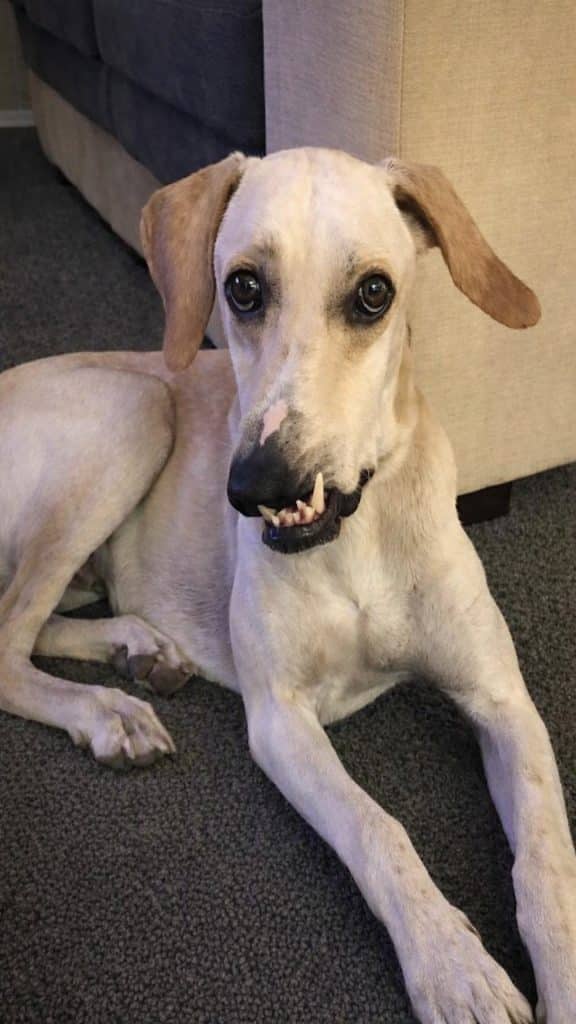
When Johanna Handley first met Alan, he didn’t stand out in the way people usually expect. His appearance was unusual. His features were uneven, his expression different, and his body carried clear signs of a difficult past. But none of that mattered to Johanna. What she saw was a gentle soul who needed safety, patience, and the chance to belong.
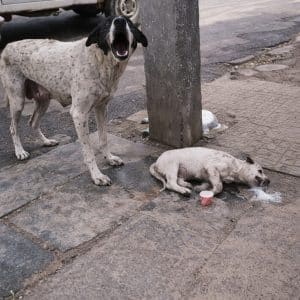
Alan had been abandoned, left to navigate life on his own. Like many stray dogs, he learned to survive without relying on anyone. Yet despite that experience, his temperament remained calm and curious. There was no bitterness in him, no fear-driven behavior—only quiet trust. Johanna didn’t hesitate. She rescued him without knowing that this simple act would soon grow into something far larger than either of them.
Once Alan became part of her family, Johanna began to see how quickly the world judges what it doesn’t understand. Comments about Alan’s appearance started to appear. Some were framed as concern. Others as advice. A few crossed into criticism. Strangers speculated about what was “wrong” with him, focusing on how he looked instead of who he was.
VIDEO: Rescuing Alan — A Poodle’s Journey to Inspiring Acceptance and Celebrating Unique Pets Worldwide
Rather than hiding Alan or trying to explain him away, Johanna chose honesty. She shared him exactly as he was—no filters, no apologies, no attempt to make him fit into a more socially acceptable image. That choice led to the creation of an online space centered on Alan’s individuality, humor, and unmistakable charm.
People were drawn not only to his appearance, but to his personality. Alan was affectionate, playful, expressive, and full of life. Photos and stories captured everyday moments—walks, cuddles, curious head tilts, quiet companionship. Slowly, the conversation began to change. Instead of asking what was “wrong” with him, people began asking how they could learn to see the world differently.
There were still challenges. Some well-meaning individuals offered to fund cosmetic surgeries, believing that changing Alan’s appearance would improve his life. Johanna addressed those suggestions calmly and clearly. A full veterinary evaluation confirmed what she already knew—Alan was healthy, comfortable, and not in pain. He didn’t need to be altered to deserve love.
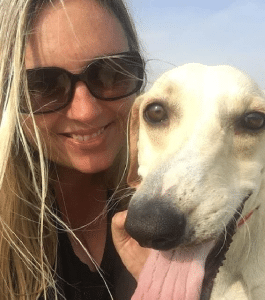
Johanna explained that unnecessary cosmetic procedures would only serve human expectations, not Alan’s well-being. He was already whole. What she hoped instead was to inspire others to adopt animals who are often overlooked—those who are older, differently abled, or simply don’t fit society’s narrow definition of “perfect.”
As Alan’s story spread, something remarkable happened. Messages of support soon outweighed criticism. People began sharing stories of their own unique pets—dogs and cats with missing limbs, unusual features, or medical histories that once made adoption difficult. Alan became a symbol not of difference, but of resilience and belonging.
An online community formed around that idea. A space where individuality was celebrated instead of questioned. Each shared story reinforced the same truth: real companionship is built on connection, not appearance.

In daily life, Alan was never a symbol to Johanna. He was simply her dog. He enjoyed routine, comfort, and affection. He formed bonds, learned to trust, and gave loyalty in return. That normal, quiet love was perhaps the most powerful message of all.
Johanna didn’t set out to change minds or start a movement. She simply chose kindness over judgment and patience over perfection. In doing so, she reminded people everywhere that animals don’t need to be fixed to be loved. They need safety, respect, and care.
Alan’s story continues not as a spectacle, but as a gentle reminder. Acceptance doesn’t always require understanding every difference. Sometimes, it simply requires opening your heart and allowing love to lead.
In a world that rushes to label and correct, Alan stands as proof that being different isn’t something to overcome. It’s something to honor.