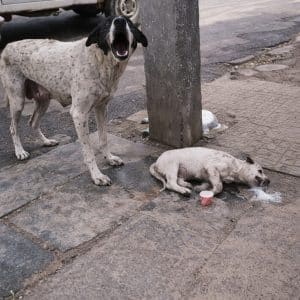
Left Behind After Hunting Season, Matilda Learned What Safety Feels Like Again
When hunting season ended on the quiet streets of Spain, many greyhounds were left behind with nothing. Known locally as galgos, these dogs are prized for speed and endurance—but once the season is over, far too many are abandoned. For them, the change of seasons brings hunger, fear, and isolation. Matilda was one of those dogs, wandering alone with no clear path forward and no certainty that help would ever come.
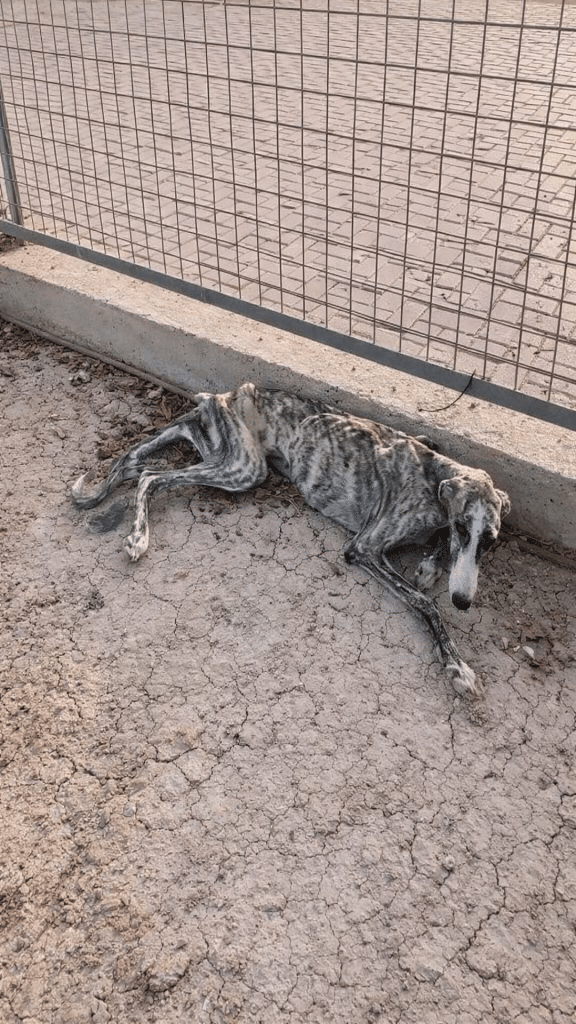
When she was first spotted, her condition spoke quietly but clearly. She was dangerously thin, her ribs and hips visible beneath skin stretched tight over a fragile frame. Parasites had weakened her further, and every step she took was cautious, uncertain. She moved as if the world itself felt unsafe. Years of neglect had taught her to expect very little, and hope seemed like something she could no longer afford.
Still, Matilda had not lost her instincts. She had learned to survive by staying alert, by keeping her distance. When a small group of young people noticed her walking alone, they immediately understood that she needed help. Their concern turned into action, and with a single decision to reach out for support, Matilda’s story began to change.
The rescue itself was not easy. Fear had shaped Matilda’s reactions for a long time, and unfamiliar movements overwhelmed her. She wasn’t aggressive—she was frightened. Every attempt to help felt like a threat to a dog who had learned that humans were unpredictable. The moment demanded patience, teamwork, and calm resolve.
VIDEO: A Life Saved – Matilda’s Journey from Suffering to Hope
Working together, the young rescuers carefully guided Matilda into a secure crate. The sounds she made were filled with panic and confusion, not anger. She had no way of knowing that this frightening moment was also the first step toward safety. Though tense and emotional, it marked the beginning of a new chapter she could not yet imagine.
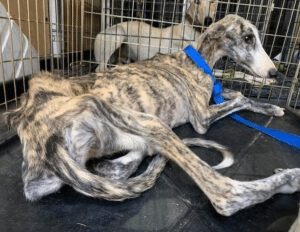
From there, Matilda was taken straight to a veterinary clinic. Once examined, the extent of her condition became clear. She was severely dehydrated, running a high fever, and dangerously underweight. Her body showed long-term neglect, yet beneath it all was a quiet resilience that gave the medical team hope. There were no major fractures or internal injuries—but her recovery would take time.
Treatment began immediately. Fluids, medication, and carefully measured meals were introduced to stabilize her body. While fear still lingered in her eyes, her physical condition slowly began to improve. Each day brought small changes—slightly more strength, a bit more ease, a body beginning to respond to consistent care.
One moment stood out above the rest. For the first time since being rescued, Matilda wagged her tail. It was subtle, almost easy to miss, but it meant everything. That gentle movement was a sign of trust returning, proof that beneath the fear, Matilda still remembered how to feel safe.
Progress continued, step by step. Loud noises startled her, and new situations made her uneasy, but with routine and gentle handling, her confidence began to grow. Curiosity replaced constant vigilance. Trust followed consistency. Healing, both physical and emotional, took shape slowly.
Matilda’s journey reflects the reality faced by countless abandoned dogs, and the quiet dedication of volunteers who refuse to look away. Their work is demanding and often unseen, but stories like hers remind them why it matters. Every act of patience becomes a bridge back to trust.
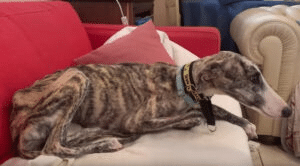
Today, Matilda’s life looks very different. She no longer wanders in search of scraps or shelter. She is surrounded by care, structure, and people committed to her well-being. While her recovery continues, her future is no longer defined by fear. It is shaped by stability, kindness, and the chance to begin again.
Matilda’s story is a reminder that no dog is disposable, and no past determines a life’s worth. With compassion and time, even the most frightened hearts can heal. And sometimes, hope arrives quietly—noticed by someone who chooses to care.