A Lifeline for Animals in Urgent Need
Every year in India, thousands of animals face danger, injury, or abandonment with no way to call for help.
That is why the emergency hotline run by People for the Ethical Treatment of Animals India has become a critical lifeline.
The organization receives more than 50,000 calls each year reporting animals in distress.
Behind every call is a life that needs help.
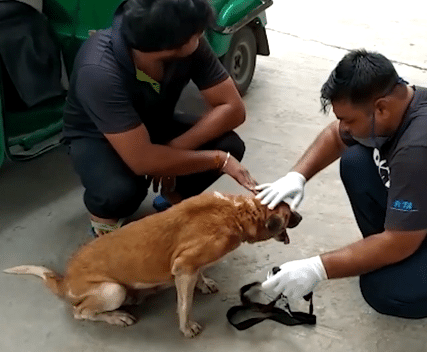
Rescue teams based in the major cities of Mumbai and Delhi operate 24 hours a day, seven days a week, responding to emergencies involving injured, trapped, or endangered animals.
From street dogs to birds and kittens, each call may lead to a rescue that saves a life.
Remarkable Rescues That Changed Lives
Many of the cases handled by the rescue teams involve situations that seem almost impossible.
In one dramatic operation, rescuers saved a mother cat and her kitten trapped inside a ventilation shaft nearly 15 meters deep. Carefully navigating the narrow space, the team managed to bring both animals safely back to the surface.
In another case, a dog severely injured in a traffic accident at a fuel station in Mumbai was rushed to veterinary care and survived thanks to immediate intervention.
Some rescues require specialized medical treatment.
A dog named Buri in Delhi underwent surgery to remove a large benign tumor that had grown to a dangerous size. The operation relieved immense pressure and allowed Buri to return to a healthier life.
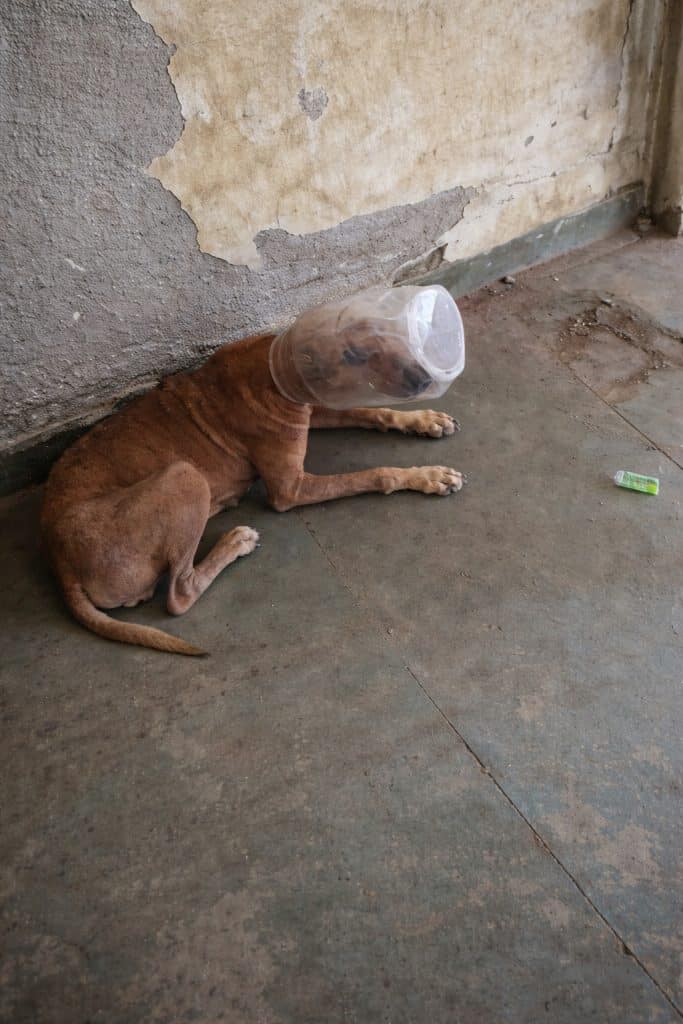
Rescue teams also respond to unusual emergencies, including kittens trapped inside car engines and dogs whose heads become stuck inside plastic containers, preventing them from eating or drinking.
Each case requires patience, skill, and determination.
VIDEO: Inside PETA India’s 24/7 Animal Rescue Operations
Fighting Painful Diseases Among Street Animals
One of the most common conditions rescue teams encounter is mange, a skin disease caused by microscopic parasites.
Animals suffering from mange often experience constant itching and irritation that prevents them from resting or healing.
In a single year, rescue teams treated nearly 500 animals affected by the disease. With proper medication and care, many of these animals were able to recover and regain their health.
Street animals face countless hidden dangers, and these treatments often mean the difference between suffering and recovery.
Protecting Wildlife and Managing Stray Populations
Beyond emergency rescues, the organization also works on conservation and humane population control.
In Mumbai, more than 850 stray cats have been sterilized through humane spay-and-neuter programs. These efforts reduce competition for limited food sources and help stabilize local animal populations.
Rescuers have also intervened in cases involving illegally kept wildlife.
Peacocks confiscated from illegal captivity have been rehabilitated and returned to safe environments. Injured birds harmed by sharp kite strings known as “manja” have received treatment before being released again.
In addition, rescued animals such as dogs, ducks, and turtles are often placed into new homes where they can live safely.
Holding Animal Abusers Accountable
Rescue work often goes beyond medical care.
The organization frequently collaborates with police to pursue legal action against individuals who harm animals.
In one notable case, a man accused of killing a gray langur was denied bail six times while the case proceeded through court. Authorities have also prosecuted individuals involved in severe cruelty toward dogs.
In Mumbai, the organization helped file the city’s first official criminal complaint against the cosmetic practice of ear cropping, a painful procedure performed on dogs purely for appearance.
These legal efforts aim to ensure that cruelty does not go unanswered.
Helping Animals Even During Lockdown
During the global pandemic lockdown, animals across India faced an unexpected crisis.
With streets empty and businesses closed, many stray animals lost access to the food sources they had depended on.
To address the problem, the organization successfully persuaded the Chief Minister of Maharashtra to recognize feeding and assisting animals as an essential emergency service.
This decision allowed volunteers and rescuers to continue delivering food and care to vulnerable animals during the difficult period.
A Mission Powered by Compassion
From emergency rescues to legal advocacy and medical treatment, the work of PETA India demonstrates how organized compassion can protect countless lives.
Every call answered by the hotline represents another chance to intervene before suffering becomes tragedy.
And every rescued animal is proof that kindness, persistence, and courage can change the course of a life.
If someone in India encounters an animal in distress, the organization encourages them to contact their emergency rescue hotline — because sometimes, one phone call is all it takes to save a life. 🐾